Leopard Tortoise Questions

Pwapy

New Member
Joined
Sep 10, 2025
Messages
2
Location (City and/or State)
California
Hi there! I have a ~3yo Leopard Tortoise named Franklin. I raised him from a fresh hatchling and he's grown to be about 5". Possibly more but I havent measured him yet.

I've kept him in a wooden box for 2 of those years with a coco coir substrate. No humidifier, UV bar, basking lamp, and heat lamp set to a thermometer to keep it at or just below 8°F. I've fed him a diet of mostly kale supplemented by romaine.

I got him from a family friend who had two adult leopard tortoises roaming their yard, Franklin came from an unexpected clutch of theirs. Much of my care has just been based on their instruction they wrote out for me. Coming here, I have a few questions, I love my boy (i think he's a boy because he has a long tail that wraps around?) and I just want to see what I can do to improve his care as he grows older and bigger.

1. I've fed him mostly a diet of kale. I have recently read that leopard tortoises benefit from a diet mostly consisted of grasses, so I bought him "Tortoise Hay" from my local reptile store. My only problem is that Franklin LOVES the kale and will not touch the hay, instead strewing it around its enclosure. What do I do in this situation.

2. Some context before this one: My family originally got him planning to keep him in our yard. Unfortunately, my parents have since split and I am now living on my own in a 1 bed/1 bath with a tiny little yard. That yard has been sprayed by pesticides previously. I also live in Southern California. My question being what should I do to keep this guy comfortable as he grows? Right now I have ordered a kiddie pool coming in a few days and my plan is to fill it with orchid bark, a water dish, and a humid hide, and leave him out there during the day while I go to work and bring him home into his box at night. Is this acceptable? As he gets bigger and I put some money inside I intend to make something like a raised planter box to house him with substrate separated from the pesticide affected soil.

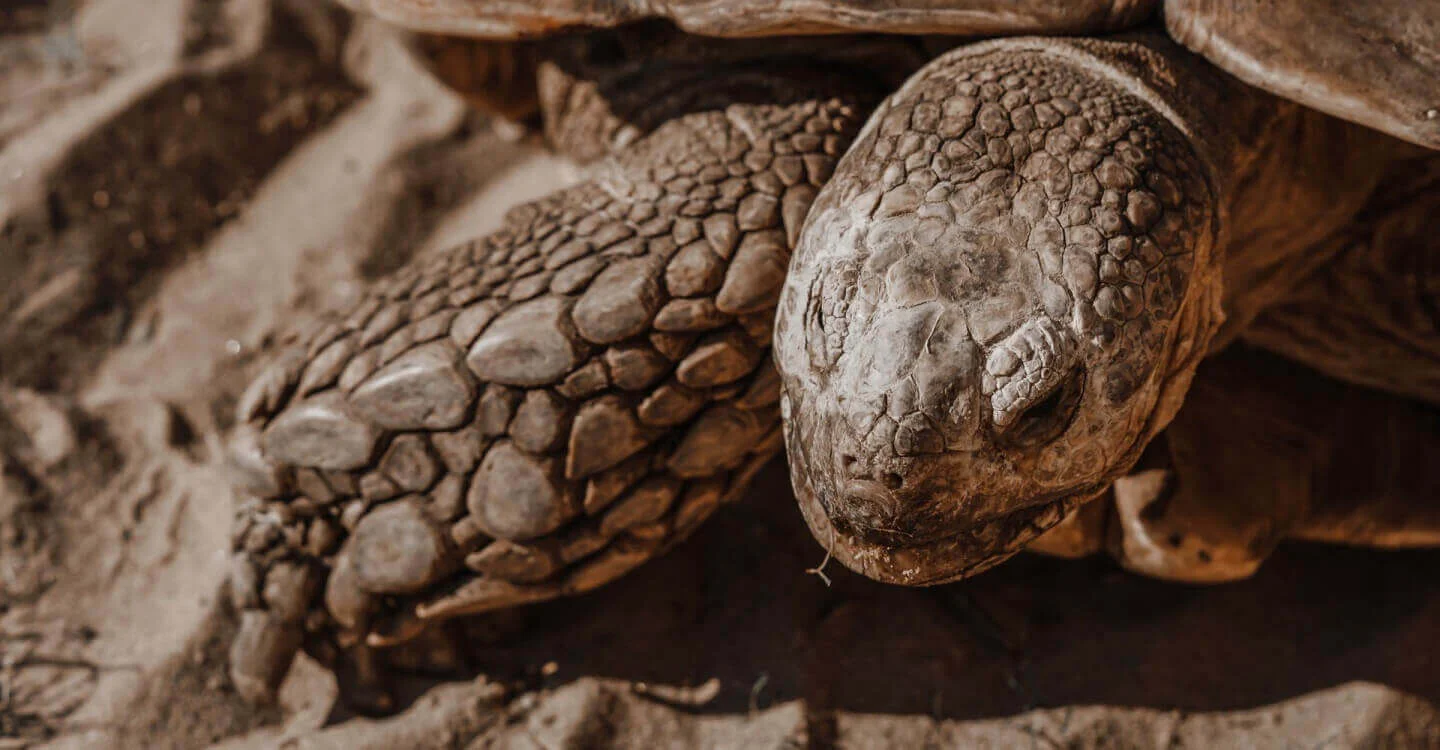
3. He has some pyramiding. I know it has everything to do with how he's been kept. I have added a reptile humidifier after seeing they do indeed require humidity. Will he be okay? I am feeling really guilty about it. I have attached some photos of my little man if it helps answer anything I have asked here.

Any/all help is appreciated. I'm sorry if it's a lot. franklin.pngfranklin2.png
 

The_Four_Toed_Edward

Well-Known Member
Joined
Apr 6, 2024
Messages
6,236
Location (City and/or State)
Finland
Welcome to the forum!

I am not a leopard tortoise expert, but I will give some advice that applies to all tortoise species.

I've kept him in a wooden box for 2 of those years with a coco coir substrate.
Unfortunately you seem to have the wrong type of coco substrate. This has long fibers that can pose an impaction risk. Instead soil like coco coir is recommended. The other two safe options are orchid fir bark and cypress mulch.

I've fed him mostly a diet of kale. I have recently read that leopard tortoises benefit from a diet mostly consisted of grasses, so I bought him "Tortoise Hay" from my local reptile store. My only problem is that Franklin LOVES the kale and will not touch the hay, instead strewing it around its enclosure. What do I do in this situation.
It is often hard to get tortoises used to new fooods, you might find this helpful:


He has some pyramiding. I know it has everything to do with how he's been kept. I have added a reptile humidifier after seeing they do indeed require humidity. Will he be okay? I am feeling really guilty about it. I have attached some photos of my little man if it helps answer anything I have asked here.
A humidifier is not recommended, due to the risk of respiratory problems. To get the desired humidity you need to set up a closed chamber. Here is how to do it:
 

Littleredfootbigredheart

Well-Known Member
Joined
Dec 28, 2023
Messages
7,679
Location (City and/or State)
UK
Hi there! I have a ~3yo Leopard Tortoise named Franklin. I raised him from a fresh hatchling and he's grown to be about 5". Possibly more but I havent measured him yet.

I've kept him in a wooden box for 2 of those years with a coco coir substrate. No humidifier, UV bar, basking lamp, and heat lamp set to a thermometer to keep it at or just below 8°F. I've fed him a diet of mostly kale supplemented by romaine.

I got him from a family friend who had two adult leopard tortoises roaming their yard, Franklin came from an unexpected clutch of theirs. Much of my care has just been based on their instruction they wrote out for me. Coming here, I have a few questions, I love my boy (i think he's a boy because he has a long tail that wraps around?) and I just want to see what I can do to improve his care as he grows older and bigger.

1. I've fed him mostly a diet of kale. I have recently read that leopard tortoises benefit from a diet mostly consisted of grasses, so I bought him "Tortoise Hay" from my local reptile store. My only problem is that Franklin LOVES the kale and will not touch the hay, instead strewing it around its enclosure. What do I do in this situation.

2. Some context before this one: My family originally got him planning to keep him in our yard. Unfortunately, my parents have since split and I am now living on my own in a 1 bed/1 bath with a tiny little yard. That yard has been sprayed by pesticides previously. I also live in Southern California. My question being what should I do to keep this guy comfortable as he grows? Right now I have ordered a kiddie pool coming in a few days and my plan is to fill it with orchid bark, a water dish, and a humid hide, and leave him out there during the day while I go to work and bring him home into his box at night. Is this acceptable? As he gets bigger and I put some money inside I intend to make something like a raised planter box to house him with substrate separated from the pesticide affected soil.

3. He has some pyramiding. I know it has everything to do with how he's been kept. I have added a reptile humidifier after seeing they do indeed require humidity. Will he be okay? I am feeling really guilty about it. I have attached some photos of my little man if it helps answer anything I have asked here.

Any/all help is appreciated. I'm sorry if it's a lot. View attachment 395057View attachment 395058
Hello! I’m SO glad you’ve made your way to the forum! I think unfortunately you’ve been given a lot of outdated information by the previous keepers, which hasn’t provided the best set up so far, please don’t feel bad about this, it’s an all too common occurrence and you obviously have the best intentions🥰

You can post a photo of his tail/plastron(under shell) for us to possibly sex him for you.

I agree with the point above about the substrate, I believe you’re using coco husk chips, they are best avoided because of the fibres.

You want either damp coco coir or orchid bark, orchid bark is much less messy for adults, you can have coir underneath and bark on top.

1. Check out that link above about introducing new foods, be definitely needs more variety, kale shouldn’t be an every day feed, but this is going to take time for him to adjust to. Leafy greens and weeds are the way to go, with grasses, a place called kapidolo farms sell bags of dried varieties for when fresh stuff is harder to find
We personally use this stuff, it’s fantastic for getting variety in, especially during winter months, you soak each cube in water until a soft mushy grassy texture and add it on top of feeds
IMG_3049.jpeg
You can feed Mazuri a few times a week too!
IMG_8330.jpeg
Again, you soak those.

2. I believe you’re in a good climate to house this tortoise outdoors, but for the size he is, a kiddy pool isn’t going to cut it, and I certainly wouldn’t leave him in something like that unattended all day. He ideally needs a large secure area, with ample deep shade to choose from, with the addition of a temperature controlled night box. If you can’t build a night box, then a large indoor closed chamber he can stay in at night/during colder weather is the way to go.
Hopefully you might like looking through this one for some ideas both indoors and out, there’s links to tutorials on the heated night boxes

3. His pyramiding isn’t actually too bad compared to a lot of leopards I’ve seen, I expected much worse for how dry he’s been raised. How many inches does he measure? Usually around the 10inches+ mark humidity isn’t as important. I was actually discussing this topic on another thread about a sulcata;

“…it gets a little confusing because technically, once sulcata reach’s around 10 inches, Being in a closed chamber high humidity environment is no longer as important, however, obviously a 10inch sulcata isn’t done growing.
My take is; folks who live in more ideal climates where their 10+inch sulcatas can live outdoors, are in spaces where heat sources aren’t overhead 24/7, which I imagine allow conditions for smoother growth to occur(having no heat sources drying their shell, natural humidity etc).
Our climate doesn’t allow us to keep these guys outdoors for long in a given year, humidity can be a battle on a large scale indoors, even a lot of warmer climates where people keep adult sulcatas don’t necessarily have the highest humidity(but obviously have the luxury of access to a natural climate for these giants).
My point is, would keeping the whole environment around 80 humidity be ideal whilst your tortoise is still growing indoors? Yes, but for the size your tortoise is becoming and how quickly he’s growing, it might be difficult keeping the entire space 80% humidity on the large scale you’re planning.”

Ultimately my take is, 80 humidity is ideal whilst your tortoise is still growing, especially indoors, hence if having an indoor set up, I’d make it a closed chamber on as large a scale as you can. I wouldn’t recommend humidifiers to achieve a higher humidity, a damp thick layer in a closed chamber is much safer and more efficient.

Here’s a link that goes more into the indoor side of things, however I’m not sure if your tortoise is possibly at the size where a heat panel is more appropriate than ceramics(this was mainly aimed for babies)
I made this thread based on the forums care information and added visual aids, it covers correct equipment(uvb, though you shouldn’t technically need indoor uv where you are, heating bulbs, lighting etc), correct levels, importance of a closed chamber for younger tortoises(only way to maintain the humidity you need, I wouldn’t recommend using humidifiers), appropriately maintaining the humidity, safe substrates, there’s lots of visual examples for everything, and a really handy diet link to check out! I go over a greenhouse style set up here, but there’s definitely more efficient options out there

This goes over some different closed chamber options, some are definitely better than others, for the size your tortoise is, the bigger you can go the better

Lastly, this one here is good to go over and keep on hand, it’ll help you avoid the wrong bulbs, substrates, housing etc, I always encourage double checking purchases on the forum too before buying😊

Sorry that’s a lot to go over! I know how overwhelming it can feel at first, so take all the time you need, happy to try and answer and futher questions and break things down bit by bit. Welcome to the forum🐢💚
 

Pwapy

New Member
Joined
Sep 10, 2025
Messages
2
Location (City and/or State)
California
Thanks for the help guys. As far as an enclosure goes - money is a little tight so im saving up some funds to build his enclosure. I'll get his measurements later today and a photo of the bottom side of his shell so you guys can sex him. I really appreciate it!
 

New Posts

Top